

In short,
- Radiation exposure can increase cancer risk depending on the dose and type of radiation.
- Certain cancers, like leukemia and thyroid cancer, are more strongly linked to radiation exposure.
- If you are concerned about past exposure, consult your healthcare provider about appropriate screening and preventative measures.
Radiation exposure can increase cancer risk, especially as we learn more about environmental factors. Knowing the sources of radiation and the possible health effects is important for prevention and early detection. This information is meant to help you understand the risks, but always talk to your doctor for medical advice specific to you.
This guide will look at different kinds of radiation, where they come from, and the cancers that have been linked to them. We’ll also talk about how to lower your risk and when to see a doctor. Remember, knowing the facts can help you make good choices for your health.
How Does Radiation Exposure Cause Cancer?
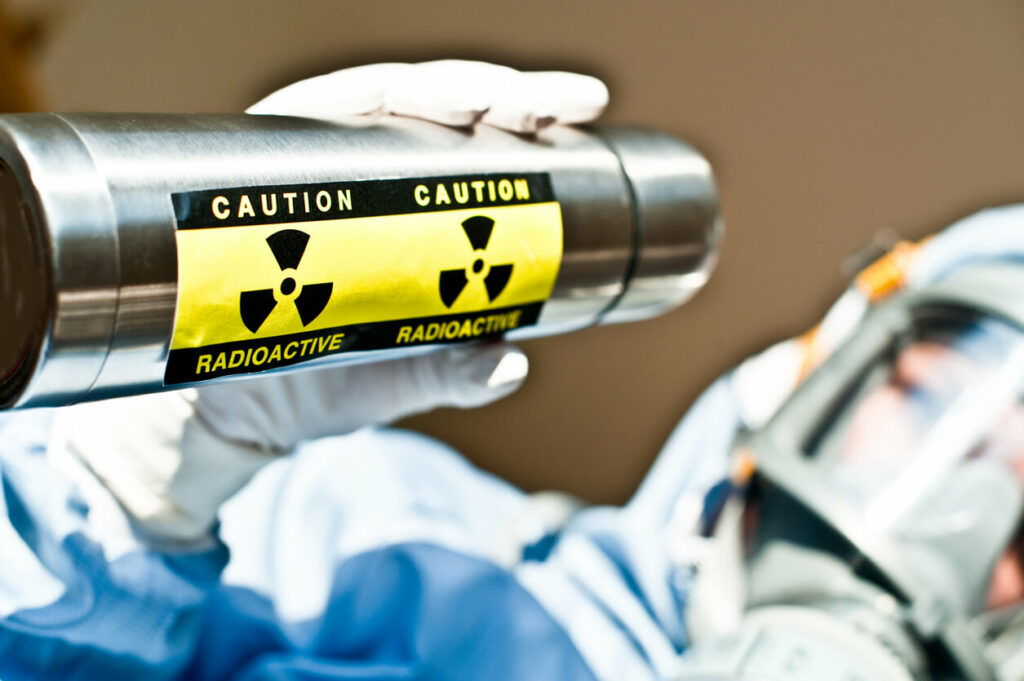
Radiation is a form of energy that moves in waves or particles. Ionizing radiation is the type that can harm DNA, and it is known to cause cancer. The risk of getting cancer from radiation depends on things like how much radiation you were exposed to, the type of radiation, how long you were exposed, and your own body’s ability to handle it.
When ionizing radiation touches your body, it can hurt cells, including their DNA. Your body can usually fix this damage, but sometimes the repairs aren’t perfect. This can lead to changes in the cells that could cause cancer. The more radiation you’re exposed to, the higher the chance of radiation exposure cancer.
It’s important to know that not everyone exposed to radiation will get cancer. Many things affect the risk, and your body’s natural defenses play a big part. But understanding the risks lets you make smart choices and take care of your health.
Sources of Radiation
Radiation can come from natural and man-made sources. Natural sources include radon gas, cosmic rays from space, and radiation from the soil. Man-made sources include medical imaging (X-rays, CT scans), radiation therapy for cancer treatment, and, in the past, atmospheric nuclear tests.
Knowing about these sources is the first step in reducing how much radiation you’re exposed to. We can’t get rid of natural radiation, but we can take steps to lower our exposure to man-made sources when we can. Talking to your doctor about whether you really need medical imaging is a good idea.
- Natural Sources:Radon gas, cosmic rays, soil radiation.
- Medical Sources:X-rays, CT scans, radiation therapy.
- Industrial Sources:Nuclear power plants, industrial processes.
- Historical Sources:Atmospheric nuclear tests.
Cancers Linked to Radiation Exposure
While radiation could possibly contribute to different cancers, some types have a stronger link to it. These radiation exposure cancer links include:
- Leukemia: Cancers of the blood and bone marrow.
- Thyroid cancer: Cancer of the thyroid gland, in the neck.
- Breast cancer: Cancer that forms in the cells of the breasts.
- Lung cancer: Cancer that starts in the lungs.
- Bone cancer: Cancer that starts in the bone.
The time between radiation exposure and a cancer diagnosis can be a few years or many decades. This can make it hard to know for sure if past exposure caused a current cancer.
It’s important to remember that just because two things are linked doesn’t mean one caused the other. While radiation can raise the risk of these cancers, other factors also play a role.
Beyond radiation exposure, cancer can be caused by many other factors, including your genes, lifestyle choices (like smoking and diet), and exposure to other things in the environment that can cause cancer. It’s a mix of factors that determines your risk.
What Are the Long-Term Risks of Atmospheric Nuclear Tests?
Past atmospheric nuclear tests released radioactive materials into the environment. People who lived near these test sites may have been exposed to higher levels of radiation. The long-term health effects of these tests, including the risk of cancer, are still being studied.
The Centers for Disease Control and Prevention (CDC) has information on the health effects of radiation from different sources, including nuclear testing. These studies help researchers learn about the possible risks and find ways to prevent or reduce them.
The Radiation Exposure Compensation Act (RECA) provides financial compensation to people who have gotten certain diseases because of radiation from nuclear weapons testing and uranium mining.
How to Lower Your Risk After Radiation Exposure
If you think you may have been exposed to high levels of radiation, here are some steps to consider:
- Talk to your doctor about what screening tests are right for you based on your exposure history. The Mayo Clinic has advice on cancer screening based on your individual risk factors.
- Live a healthy lifestyle, with a balanced diet and regular exercise, to help your immune system. A healthy lifestyle can help your body fix damaged cells.
- Don’t smoke, as it raises the risk of lung cancer, especially if you’ve been exposed to radiation. Smoking makes the cancer-causing effects of radiation much stronger.
- Pay attention to any possible symptoms and tell your doctor right away if you have any concerns. Finding problems early is important for successful treatment.
Regular check-ups and screenings are important for finding and treating any health problems early. Your doctor can help you decide how often you should be screened based on your individual risk factors.
A healthy lifestyle can lower your overall radiation exposure cancer risk. This includes eating plenty of fruits, vegetables, and whole grains, staying at a healthy weight, and getting regular exercise.
It’s also important to limit radiation exposure when you can. Talk to your doctor about whether you really need medical imaging and if there are other ways to diagnose your condition.
When Should You See a Doctor?
If you have a history of significant radiation exposure or are worried about radiation exposure cancer risk, it’s important to see a doctor. Finding problems early is key.
Your doctor can check your individual risk factors and recommend the right screening tests. They can also give you advice on lifestyle changes that may help lower your risk.
Don’t wait to get medical advice if you have any worries about your health. Early detection and treatment can make a big difference.
Find Radiation Exposure Cancer Resources at the National Cancer Benefits Center
Remember, your best chance at surviving cancer is early detection. If you have been exposed to radiation and have developed radiation exposure cancer, reach out to us at the National Cancer Benefits Center to schedule a free consultation.
We provide support and resources and are dedicated to helping individuals collect compensation for cancer caused by government-created radiation. Call us at (800) 414-4328 or use our online appointment request form.
