

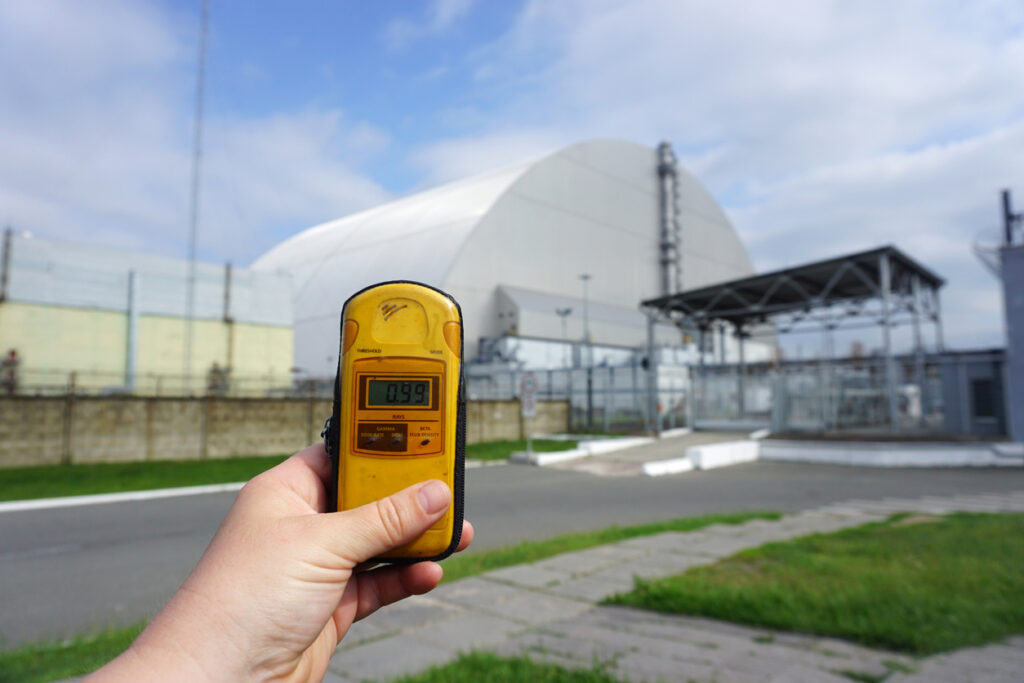
Arizona residents exposed to nuclear fallout between 1951 and 1962 may qualify as downwinders under federal law. Those diagnosed with thyroid cancer or other covered diseases can file a claim with the Radiation Exposure Compensation Act (RECA) for a one-time, tax-free payment of $100,000. The deadline to file is December 31, 2027.
In short, if you lived in a qualifying Arizona county during the era of atmospheric nuclear testing and have since been diagnosed with thyroid cancer, federal compensation may be available to you.
- Radiation reached Arizona. Radioactive fallout from Nevada nuclear tests drifted into six specific Arizona counties, exposing thousands of residents to iodine-131 and other harmful isotopes.
- Thyroid cancer is a covered disease. Thyroid cancer is one of more than 20 diseases recognized under RECA as directly linked to nuclear fallout exposure.
- $100,000 in federal compensation is available. Qualifying downwinders in Arizona, or their surviving family members, can receive a one-time lump-sum payment through the federal RECA program.
Decades ago, the United States government conducted more than 1,000 atmospheric nuclear weapons tests between 1945 and 1963. Most of those tests took place at the Nevada Test Site, just miles from the Arizona border. What officials did not tell the public at the time was that the wind carried radioactive fallout far beyond the Nevada desert, settling across communities, farmlands, and water supplies in neighboring states, including Arizona.
Downwinders in Arizona unknowingly drank contaminated milk, ate food grown in fallout-covered soil, and breathed air laced with radioactive particles. The thyroid gland, which absorbs iodine from the bloodstream to produce essential hormones, had no way to tell the difference between stable iodine and radioactive iodine-131 (I-131). For many residents, especially children, the damage had already been done before anyone understood the risk.
Today, if you or a loved one lived in one of the six qualifying Arizona counties during that era and later developed thyroid cancer, you may be entitled to federal compensation. This guide explains the science behind radiation-related thyroid cancer, who qualifies as an Arizona downwinder under current federal law, and exactly how to file a RECA claim.
What Is a Downwinder, and Who Qualifies in Arizona?
A downwinder is a person who lived downwind of a nuclear weapons test site and was exposed to radioactive fallout as a result.
During the Cold War, the U.S. government conducted atmospheric nuclear tests at the Nevada Test Site. Wind currents carried the radioactive plumes across vast distances, exposing millions of people who had no idea the air around them was contaminated. For years, the government denied any responsibility and downplayed the health effects.
It was not until 1990 that Congress passed the Radiation Exposure Compensation Act, commonly known as RECA, to provide financial restitution to those harmed. RECA was most recently reauthorized and expanded under the One Big Beautiful Bill Act (Pub. L. 119-21), which was signed into law on July 4, 2025.
Which Arizona Counties Are Covered Under RECA?
Not every county in Arizona falls within the designated downwinder zones. According to the U.S. Department of Justice, the qualifying Arizona counties under RECA include:
- Coconino
- Yavapai
- Navajo
- Apache
- Gila
- Mohave
To qualify as a downwinder, a person must have been physically present in one of these counties for at least one continuous year between January 21, 1951, and November 6, 1962, or for the entire period from June 30, 1962, to July 31, 1962. Children, grandchildren, and spouses of qualifying individuals may also be eligible to file claims for compensation.
How Does Nuclear Fallout Cause Thyroid Cancer?
Nuclear explosions release enormous amounts of radioactive material into the atmosphere. Among the most dangerous byproducts is iodine-131, a radioactive isotope that behaves chemically just like the stable iodine the body uses every day.
When fallout settled on farms and water supplies, it contaminated milk, vegetables, and other foods. People consumed it without knowing. Once ingested, iodine-131 traveled directly to the thyroid gland, where it was absorbed like ordinary iodine, delivering a dose of radiation to the tissue from the inside out.
Thyroid cancers linked to radiation exposure often take 10 to 30 years to develop, which is why so many downwinders in Arizona were not diagnosed until decades after the original exposure. The long latency period made it difficult for many people to connect their diagnosis to events that occurred in their childhood or early adult years.
Why Is the Thyroid Gland So Vulnerable to Radiation?
The thyroid gland sits at the base of the neck and plays a critical role in regulating metabolism, heart rate, blood pressure, and body temperature, according to the Mayo Clinic. Because it constantly absorbs iodine from the bloodstream to produce hormones, it is especially susceptible to radioactive iodine.
Children face the greatest risk because a developing thyroid gland absorbs iodine more rapidly and in larger quantities than an adult thyroid. Even small doses of radiation can cause DNA mutations in thyroid cells that lead to cancer years or decades later. Adults exposed to radioactive fallout are also at elevated risk, though the risk is generally lower than in children.
What Are the Signs and Symptoms of Thyroid Cancer?
Thyroid cancer often causes no symptoms in its early stages, which is one reason it is frequently diagnosed during imaging performed for an unrelated reason. As the tumor grows, symptoms may develop, including:
- A painless lump or nodule in the neck
- Persistent hoarseness or changes in voice quality
- Difficulty swallowing or a feeling of pressure in the throat
- Swollen lymph nodes in the neck
- Pain in the neck or throat that does not go away
Not every thyroid nodule is cancer. According to the Cleveland Clinic, only about 1 in 10 thyroid nodules turns out to be malignant. Still, anyone who notices a new lump or persistent throat symptoms should speak with a healthcare provider promptly.
What Does the Research Say About Fallout and Thyroid Cancer?
The science linking atmospheric nuclear testing to thyroid cancer is well established and continues to grow.
A study published in the Medical Research Archives compared cancer mortality rates between high-fallout states and low-fallout states in the U.S. The study found that individuals born between 1955 and 1964 in high-fallout regions showed a 52% excess relative risk for cancer-related death compared to those born in low-fallout regions. The study identified iodine-131 as one of the key contributors to increased thyroid cancer risk among those exposed to nuclear testing.
Earlier research published by the National Institutes of Health (NIH) in a study examining thyroid cancer rates and iodine-131 doses from Nevada atmospheric nuclear tests also found a potential link between fallout exposure and increased thyroid cancer risk among people who lived downwind of the Nevada Test Site in the 1950s.
Papillary thyroid cancer, the most common type of thyroid cancer, is the form most often associated with radiation exposure. It accounts for up to 90% of all thyroid cancer diagnoses and, when detected early, responds very well to treatment.
Are You Eligible for Downwinders Compensation in Arizona?
Eligibility under RECA depends on two core criteria: where you lived and what disease you developed.
If you were physically present in one of the six qualifying Arizona counties for the required period, and you were later diagnosed with a covered disease, you likely meet the basic eligibility requirements.
What Diseases Qualify for Compensation?
Thyroid cancer is among more than 20 compensable diseases recognized under RECA. The full list of qualifying conditions for downwinders includes:
- Leukemia (other than chronic lymphocytic leukemia)
- Multiple myeloma
- Lymphomas (other than Hodgkin’s disease)
- Primary cancers of the thyroid, breast (male or female), esophagus, stomach, pharynx, small intestine, pancreas, bile ducts, gallbladder, salivary gland, urinary bladder, brain, colon, ovary, or liver
- Lung cancer
If you are unsure whether your specific diagnosis is covered, speaking with a RECA specialist can help clarify your eligibility quickly.
How Do You File a Downwinder Claim Step by Step?
Filing a RECA claim involves gathering documentation, completing the correct claim form, and submitting it to the U.S. Department of Justice either electronically or by mail. The deadline to file all claims is December 31, 2027.
Here is a simplified breakdown of the process:
Step 1: Confirm your eligibility. Verify that you lived in a qualifying Arizona county for the required period and that your diagnosis is on the RECA compensable disease list.
Step 2: Gather your documents. You will need proof of residency during the qualifying period, medical records documenting your diagnosis, and government-issued identification.
Step 3: Choose how to file. You can file electronically through the RECA Claim Portal at reca.justice.gov, or you can mail a completed claim form with certified or original supporting documents.
Step 4: Submit your claim. Mail submissions go to: U.S. Department of Justice, Radiation Exposure Compensation Program, P.O. Box 146, Ben Franklin Station, Washington, DC 20044-0146.
Step 5: Wait for a determination. Processing times can be lengthy. Keep copies of all submitted materials. Once you receive an acknowledgment letter, include your RECA claim number in any future correspondence.
If your claim is denied, an appeals process is available.
What Documents Do You Need to File a RECA Claim?
Assembling the right documentation is often the most challenging part of the process. Required supporting materials typically include:
- Proof of residency: Old utility bills, school records, census records, tax returns, or other documents showing you lived in a qualifying Arizona county during the eligible period
- Medical records: Pathology reports, biopsy results, or physician letters confirming your diagnosis of a RECA-covered disease
- Identification: A birth certificate, passport, or other government-issued ID
- Death certificate and survivor documentation: If filing on behalf of a deceased qualifying individual, you will also need proof of your relationship to the claimant
Many relevant records may no longer be easily accessible. Working with an experienced RECA claims specialist can significantly improve your chances of locating older documentation and submitting a complete, accurate claim.
Start Your Downwinder Claim in Arizona Today
If you or a family member lived in a qualifying Arizona county during the nuclear testing era and has since been diagnosed with thyroid cancer or another RECA-covered condition, you may be entitled to $100,000 in federal compensation.
The process can feel overwhelming, especially when important records are difficult to locate or when medical diagnoses happened years or even decades ago. That is where the National Cancer Benefits Center can help.
The National Cancer Benefits Center provides confidential assistance to downwinders in Arizona and their families. Trained counselors are available 24 hours a day, seven days a week, to assess your eligibility, help establish proof of residency, gather medical records, and complete all required claim forms on your behalf. The center has achieved a success rate of more than 90% in securing financial compensation awards for veterans, atomic workers, and their families.
Call (800) 414-4328 or use the online consultation form to speak with a counselor at no cost to you. There are no fees for the service, and everything you share is kept strictly confidential.
Do not wait. The RECA filing deadline is December 31, 2027, and the time to act is now.
